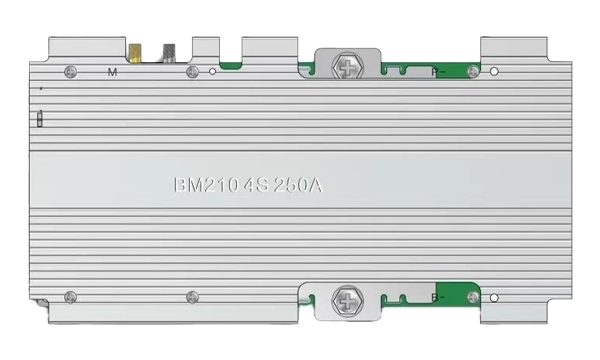
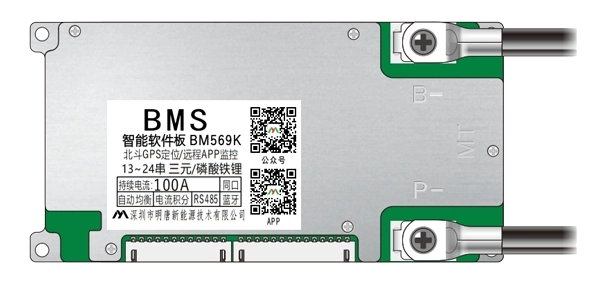
As high-speed electric motorcycles continue to gain popularity in both consumer and commercial markets, the performance expectations placed on their battery systems are higher than ever. Speed, acceleration, range, safety, and reliability all depend on one critical component: the high-speed electric motorcycle BMS. A well-designed Battery Management System is not just a supporting unit—it is the brain that governs energy flow, protects battery cells, and ensures stable operation under demanding riding conditions.
This in-depth article explains how a high-speed electric motorcycle BMS works, what makes it different from conventional BMS solutions, and why it is essential for high-performance electric motorcycles. From system architecture and key functions to safety mechanisms and selection criteria, this guide is designed for manufacturers, engineers, importers, and B2B buyers seeking a clear and professional understanding of this vital technology.
What Is a High-Speed Electric Motorcycle BMS?
A high-speed electric motorcycle BMS is an advanced electronic control system designed specifically to manage lithium battery packs used in high-performance electric motorcycles. Its primary role is to monitor, control, and protect the battery pack while supporting high current output, rapid acceleration, and sustained high-speed operation.
Unlike standard BMS systems used in low-speed electric scooters or e-bikes, a high-speed electric motorcycle BMS must handle significantly higher voltages, currents, and thermal loads. It continuously collects real-time data from battery cells and ensures that the energy delivery remains stable, efficient, and safe under aggressive riding conditions.
Why a Specialized BMS Is Essential for High-Speed Electric Motorcycles
High Power Output Requirements
High-speed electric motorcycles demand rapid and continuous power delivery, especially during acceleration and highway cruising. A standard BMS may struggle to manage these high discharge rates. A dedicated high-speed electric motorcycle BMS is engineered to support high current flow without compromising battery health or system stability.
By precisely controlling discharge limits and balancing power output, the BMS ensures that the motor receives consistent energy even under peak load conditions.
Enhanced Safety Under Extreme Conditions
Operating at high speeds introduces additional risks, including thermal buildup, voltage fluctuations, and mechanical stress. A high-speed electric motorcycle BMS includes advanced protection algorithms to detect abnormalities such as overcurrent, overvoltage, undervoltage, short circuits, and overheating.
These protective functions operate in milliseconds, reducing the risk of battery damage, system failure, or safety incidents during high-speed riding.
Core Functions of a High-Speed Electric Motorcycle BMS
Real-Time Cell Voltage Monitoring
One of the most critical functions of a high-speed electric motorcycle BMS is continuous cell voltage monitoring. Lithium battery packs consist of multiple cells connected in series and parallel. Even slight voltage imbalances can lead to performance degradation or safety issues.
The BMS monitors each cell individually, ensuring voltage consistency across the pack and preventing overcharging or over-discharging of any single cell.
High-Precision Current Control
High-speed electric motorcycles require rapid current changes during acceleration and regenerative braking. A high-speed electric motorcycle BMS measures charge and discharge currents in real time, ensuring they remain within safe operating limits.
Accurate current control not only protects the battery pack but also improves riding performance by delivering smooth and predictable power output.
Thermal Management and Temperature Monitoring
Heat generation is inevitable during high-speed operation. A high-speed electric motorcycle BMS integrates multiple temperature sensors placed strategically throughout the battery pack.
By monitoring cell and ambient temperatures, the BMS can regulate power output, activate cooling systems, or initiate protective shutdowns if temperatures exceed safe thresholds. This thermal control is essential for maintaining battery efficiency and longevity.
Key Technical Characteristics of a High-Speed Electric Motorcycle BMS
Support for High Voltage Systems
Most high-speed electric motorcycles operate on battery systems ranging from 72V to over 120V. A high-speed electric motorcycle BMS is designed to support these elevated voltage levels with robust insulation, precise voltage detection, and stable communication protocols.
High-voltage compatibility ensures efficient energy transmission and reduced power loss during operation.
High Continuous and Peak Current Handling
Acceleration and high-speed cruising demand high continuous and peak currents. A high-speed electric motorcycle BMS is built with advanced MOSFETs or contactor-based architectures capable of handling large current loads without overheating or signal distortion.
This capability is essential for performance-oriented electric motorcycles where power delivery must remain stable under extreme conditions.
Battery Protection Mechanisms Integrated into the BMS
Overcharge and Overdischarge Protection
Overcharging or overdischarging lithium cells can lead to permanent damage or safety risks. A high-speed electric motorcycle BMS actively controls charging and discharging processes to keep battery cells within optimal voltage ranges.
By enforcing precise cutoff thresholds, the BMS protects the battery pack during both riding and charging cycles.
Short Circuit and Overcurrent Protection
Short circuits and excessive current draw can occur due to wiring faults, controller issues, or external factors. A high-speed electric motorcycle BMS detects abnormal current spikes instantly and disconnects the battery pack to prevent further damage.
This rapid response capability is crucial in high-speed applications where electrical faults can escalate quickly.
Communication and System Integration
CAN Bus and Digital Communication
Most modern high-speed electric motorcycle BMS units use CAN bus or similar communication protocols to interface with motor controllers, displays, and vehicle control units (VCU). This allows seamless data exchange across the entire electric drivetrain.
Through digital communication, the BMS provides real-time battery status, fault alerts, state of charge (SOC), and state of health (SOH) information.
Data Logging and Diagnostics
Advanced high-speed electric motorcycle BMS solutions often include data logging features. These systems record operational parameters such as voltage trends, temperature fluctuations, and current loads.
This diagnostic data is invaluable for performance optimization, maintenance planning, and quality control in both manufacturing and aftermarket service environments.
Importance of Cell Balancing in High-Speed Applications
Passive and Active Balancing Methods
Cell imbalance can significantly affect performance in high-speed electric motorcycles. A high-speed electric motorcycle BMS incorporates either passive or active balancing techniques to equalize cell voltages.
Passive balancing dissipates excess energy as heat, while active balancing redistributes energy between cells. Both methods help maintain consistent performance and extend battery life under high-demand conditions.
Impact on Performance Consistency
Balanced cells ensure that the battery pack can deliver maximum power without triggering premature cutoffs. This is especially important during high-speed riding, where uneven cell performance could limit top speed or acceleration.
Design Considerations for High-Speed Electric Motorcycle BMS Selection
Compatibility with Battery Chemistry
High-speed electric motorcycle BMS systems must be compatible with specific lithium battery chemistries, such as NMC or LFP. Each chemistry has different voltage characteristics and thermal behavior.
Selecting a BMS designed for the correct battery type ensures accurate monitoring and optimal safety performance.
Scalability and Custom Configuration
Many manufacturers require custom battery pack configurations. A high-speed electric motorcycle BMS should support scalable designs, allowing flexibility in cell count, voltage range, and current capacity.
Customizable firmware and parameter settings enable manufacturers to tailor the BMS to specific motorcycle models and performance targets.
Reliability and Environmental Resistance
Vibration and Shock Resistance
High-speed electric motorcycles are subject to constant vibration and mechanical stress. A high-quality high-speed electric motorcycle BMS is designed with reinforced circuit boards, secure connectors, and robust enclosures to withstand harsh riding conditions.
Mechanical reliability is critical to ensure consistent performance over extended usage.
Moisture and Dust Protection
Depending on installation location, a high-speed electric motorcycle BMS may be exposed to moisture, dust, or road debris. Proper enclosure sealing and conformal coating protect sensitive electronic components from environmental damage.
Benefits for Manufacturers and B2B Buyers
For electric motorcycle manufacturers and component suppliers, choosing the right high-speed electric motorcycle BMS delivers several commercial advantages:
Improved vehicle safety and reliability
Enhanced riding performance and power efficiency
Reduced warranty risks related to battery failure
Easier system integration and diagnostics
Stronger product competitiveness in high-performance markets
A well-matched BMS solution directly contributes to the overall value and reputation of an electric motorcycle brand.
Conclusion
The high-speed electric motorcycle BMS is the cornerstone of modern high-performance electric motorcycles. It ensures safe energy management, stable power delivery, and reliable system operation under demanding riding conditions. By integrating advanced monitoring, protection, communication, and balancing functions, a high-speed electric motorcycle BMS enables manufacturers to deliver motorcycles that meet strict performance and safety expectations.
For businesses involved in electric motorcycle design, production, or global trade, understanding and selecting the right high-speed electric motorcycle BMS is essential. A professionally engineered BMS not only protects the battery pack but also enhances the overall riding experience, making it a critical investment for any high-speed electric motorcycle project.