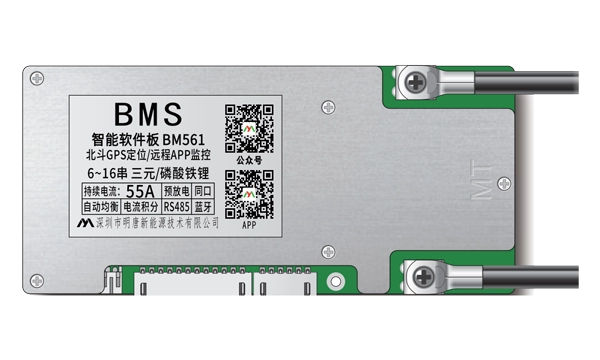
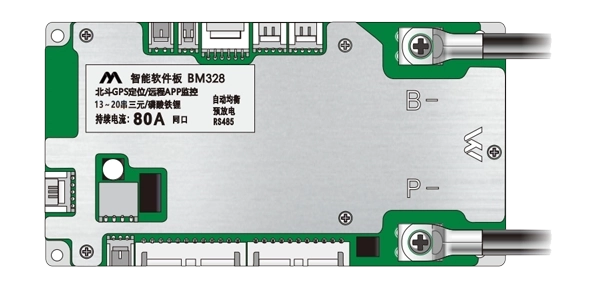
As electric sightseeing buses become increasingly popular in tourist cities, theme parks, resorts, and cultural attractions, battery performance and safety have become critical factors for operators and manufacturers. At the core of every reliable electric sightseeing bus lies an intelligent control system: the sightseeing bus BMS.
A sightseeing bus BMS (Battery Management System) is not just a supporting component—it is the brain of the battery system. It ensures safety, extends battery lifespan, improves energy efficiency, and enables stable vehicle operation under complex working conditions. For electric sightseeing buses that operate continuously in high-traffic environments, a professional BMS is essential.
In this comprehensive guide, we will explore how a sightseeing bus BMS works, its structure, functions, advantages, applications, installation requirements, maintenance strategies, and key selection criteria. This article follows a Google SEO-friendly blog structure and provides practical, professional insights without discussing development history, challenges, or future trends.
What Is a Sightseeing Bus BMS?
A sightseeing bus BMS is an electronic control system designed to monitor, protect, balance, and manage the battery pack used in electric sightseeing buses. It continuously collects battery data, analyzes operating conditions, and controls charging and discharging processes to keep the battery system working within safe and optimal parameters.
The main responsibilities of a sightseeing bus BMS include:
Monitoring voltage, current, and temperature
Preventing overcharge and overdischarge
Balancing cell voltage
Detecting faults and abnormalities
Communicating with vehicle control units
Optimizing battery performance and lifespan
Without a reliable sightseeing bus BMS, even the best battery cells cannot deliver stable, safe, and long-term performance.
Why a Sightseeing Bus BMS Is Essential for Electric Tourist Vehicles
Electric sightseeing buses operate in unique conditions compared to private electric cars or industrial vehicles. They often:
Run continuously for long hours
Carry many passengers
Operate in hot or humid tourist environments
Require high safety standards
Need stable daily performance
A sightseeing bus BMS ensures that the battery system can meet these demanding requirements while minimizing operational risk and maintenance costs.
Core Functions of a Sightseeing Bus BMS
Battery Voltage Monitoring
The sightseeing bus BMS monitors the voltage of each individual battery cell and the entire battery pack. This prevents unsafe voltage deviations that could lead to performance loss or safety risks.
Current Control
By monitoring charge and discharge current, the sightseeing bus BMS ensures that the battery operates within safe electrical limits, protecting both the battery and the motor system.
Temperature Management
Temperature sensors allow the sightseeing bus BMS to detect overheating or abnormal cooling. If temperatures exceed safe ranges, the system can trigger alarms or protective actions.
State of Charge (SOC) Calculation
The sightseeing bus BMS calculates accurate SOC values, enabling drivers and operators to clearly understand remaining battery capacity and plan charging schedules effectively.
State of Health (SOH) Evaluation
The system evaluates battery aging and degradation, helping maintenance teams predict battery replacement cycles and avoid unexpected failures.
Cell Balancing
The sightseeing bus BMS equalizes voltage differences between cells, ensuring uniform performance and extending battery lifespan.
Structural Components of a Sightseeing Bus BMS
A professional sightseeing bus BMS typically includes the following components:
Master control unit (MCU)
Voltage acquisition modules
Temperature sensors
Current sensors
Balance circuits
Communication interfaces (CAN, RS485, etc.)
Protection relays and fuses
Each component works together to create a stable and intelligent battery management system.
Communication and Integration Capabilities
Modern sightseeing bus BMS systems are designed for seamless integration with vehicle control systems.
CAN Bus Communication
Most sightseeing bus BMS solutions use CAN bus protocols to communicate with:
This allows real-time data sharing and system coordination.
Remote Monitoring Support
Many sightseeing bus BMS systems support remote diagnostics, enabling fleet managers to monitor battery status through cloud platforms or central control systems.
Safety Protection Mechanisms in a Sightseeing Bus BMS
Safety is the top priority for sightseeing buses that transport passengers. A sightseeing bus BMS provides multiple layers of protection:
These protections significantly reduce the risk of battery-related accidents.
Benefits of Using a High-Quality Sightseeing Bus BMS
Enhanced Passenger Safety
Stable battery operation ensures smooth vehicle performance and reduces electrical risks during operation.
Extended Battery Lifespan
Through precise management and balancing, the sightseeing bus BMS slows battery degradation and maximizes usable life.
Lower Maintenance Costs
Accurate fault diagnosis reduces unnecessary battery replacement and maintenance expenses.
Improved Energy Efficiency
Optimized charging and discharging improve overall energy utilization.
Stable Daily Operation
The sightseeing bus BMS ensures consistent power output for reliable vehicle operation throughout the day.
Applications of Sightseeing Bus BMS
Sightseeing bus BMS systems are widely used in:
City tourist sightseeing buses
Scenic park shuttle buses
Theme park electric buses
Resort transportation vehicles
Museum and cultural park shuttle systems
Airport sightseeing buses
In each of these applications, the sightseeing bus BMS plays a vital role in ensuring safety, comfort, and operational reliability.
Battery Types Supported by Sightseeing Bus BMS
A professional sightseeing bus BMS can support multiple battery chemistries, including:
Each battery type requires specific management algorithms, which the sightseeing bus BMS must handle accurately.
Installation Requirements for Sightseeing Bus BMS
Electrical Compatibility
The sightseeing bus BMS must match the battery pack voltage, capacity, and current rating.
Mechanical Placement
The BMS should be installed in a vibration-resistant, moisture-protected environment.
Wiring Standards
Proper cable routing, shielding, and insulation are essential to avoid signal interference.
Grounding and Isolation
Correct grounding improves signal stability and safety.
Operation and Maintenance of Sightseeing Bus BMS
Regular Data Inspection
Operators should regularly check:
Voltage consistency
Temperature distribution
SOC accuracy
Alarm records
Firmware Updates
Updating BMS firmware improves algorithm accuracy and system stability.
Connector and Sensor Checks
Loose connectors or damaged sensors can affect system reliability and should be inspected periodically.
Economic Value of a Sightseeing Bus BMS
Reduced Battery Replacement Frequency
Battery lifespan extension directly reduces long-term operational costs.
Lower Downtime
Quick fault diagnosis minimizes vehicle downtime.
Higher Fleet Reliability
Consistent performance improves fleet management efficiency.
Better Energy Planning
Accurate SOC data improves charging schedule management.
Comparison: With and Without Sightseeing Bus BMS
| Aspect | Without BMS | With Sightseeing Bus BMS |
|---|
| Battery Safety | Low | High |
| Battery Lifespan | Short | Long |
| Fault Detection | Difficult | Accurate |
| Energy Efficiency | Low | High |
| Operational Stability | Unstable | Stable |
This comparison clearly shows why a sightseeing bus BMS is essential for modern electric sightseeing vehicles.
Key Technical Parameters to Evaluate
When selecting a sightseeing bus BMS, consider:
Supported battery voltage range
Maximum continuous current
Balancing current capability
Temperature sensor quantity
Communication protocols
Protection response speed
Data accuracy level
These parameters directly affect system performance.
Customization Options for Sightseeing Bus BMS
Professional suppliers can customize sightseeing bus BMS systems based on:
Customized solutions ensure optimal compatibility and performance.
How to Choose a Reliable Sightseeing Bus BMS Supplier
A trustworthy supplier should offer:
Technical design support
BMS software customization
Testing and validation reports
Installation guidance
Long-term technical support
Stable production capacity
Choosing the right supplier ensures long-term operational success.
Integration with Charging Systems
A sightseeing bus BMS works closely with charging systems to:
This coordination improves charging safety and battery health.
Data Analysis and Fleet Management
With a sightseeing bus BMS, fleet managers can:
Track battery performance trends
Predict maintenance schedules
Optimize charging infrastructure
Improve overall operational efficiency
Data-driven management significantly enhances fleet performance.
Practical Use Scenarios
Sightseeing bus BMS systems are commonly used in:
High-frequency urban tourist routes
Mountain scenic shuttle systems
Resort loop transportation
Theme park passenger transport
Exhibition center shuttle buses
In all these scenarios, stable battery management ensures smooth daily operations.
Performance Optimization Tips
To maximize sightseeing bus BMS performance:
Avoid deep discharge cycles
Maintain moderate charging temperatures
Keep firmware updated
Balance cells regularly
Monitor abnormal alarms promptly
These practices ensure long-term system reliability.
Final Thoughts
A sightseeing bus BMS is the foundation of safe, efficient, and reliable electric sightseeing transportation. By precisely managing battery performance, protecting system safety, and optimizing energy utilization, it enables electric sightseeing buses to operate smoothly in demanding tourist environments.
For sightseeing bus manufacturers, operators, and system integrators, investing in a high-quality sightseeing bus BMS is not just a technical choice—it is a strategic decision that directly impacts passenger safety, operational stability, and long-term cost efficiency.
With the right sightseeing bus BMS, electric sightseeing buses can deliver quiet, clean, and dependable transportation experiences that meet modern tourism standards.