The electric two-wheeler market is growing at an unprecedented pace, driven by the global push for sustainable transportation and the rising demand for energy-efficient solutions. At the heart of every electric scooter, e-bike, and motorcycle lies the battery—the most critical component determining performance, safety, and longevity. This is where Battery Management Systems BMS for 2 wheelers play a pivotal role.
In this comprehensive guide, we will explore what a BMS is, why it is essential for electric two-wheelers, its key functionalities, the latest technological trends, and how choosing the right BMS can significantly enhance vehicle performance and rider safety.
What is a BMS for 2 Wheelers?
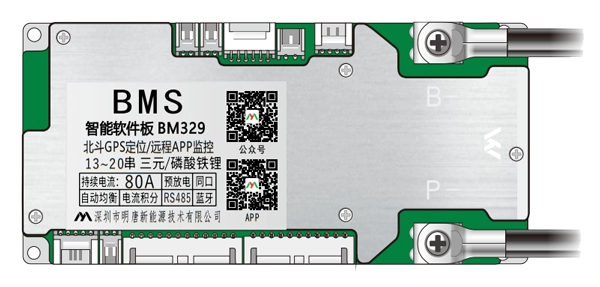
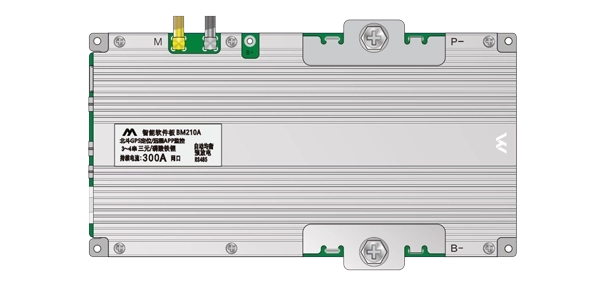
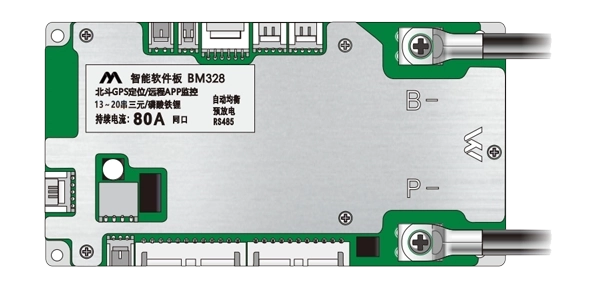
A Battery Management System (BMS) is an intelligent electronic system designed to monitor, manage, and protect the battery pack of an electric vehicle. In the context of 2 wheelers, which typically use lithium-ion batteries, a BMS ensures optimal performance, safety, and longevity of the battery pack.
The primary functions of a BMS for 2 wheelers include:
Monitoring: Real-time tracking of battery parameters such as voltage, current, temperature, and state of charge (SOC).
Balancing: Ensuring uniform charge distribution across all battery cells to prevent overcharging or undercharging.
Protection: Safeguarding against overvoltage, undervoltage, overcurrent, short circuits, and thermal runaway.
Communication: Transmitting battery data to the vehicle controller for efficient energy management.
Without a reliable BMS, the battery pack can degrade quickly, reducing range and potentially posing safety risks.
Why BMS is Crucial for Electric Two-Wheelers
Electric two-wheelers present unique challenges that make a BMS indispensable:
1. Safety Concerns
Lithium-ion batteries are sensitive to temperature fluctuations and improper charging. A malfunctioning battery can lead to fires or explosions. A high-quality BMS for 2 wheelers continuously monitors temperature and voltage to prevent such hazards.
2. Enhancing Battery Life
Battery degradation is a common issue in electric two-wheelers, especially with frequent fast charging. A BMS ensures each cell is charged and discharged optimally, extending battery lifespan.
3. Optimizing Vehicle Performance
A well-managed battery provides consistent power output, ensuring smooth acceleration, improved range, and better ride quality.
4. Regulatory Compliance
Modern electric vehicles must comply with safety and quality standards. A certified BMS helps manufacturers meet these regulations, which is particularly important in markets like Europe, India, and Southeast Asia.
Key Features of a BMS for 2 Wheelers
A robust BMS for 2 wheelers typically offers several advanced features:
1. Cell Balancing
Active or passive cell balancing prevents weaker cells from limiting battery performance. Passive balancing dissipates excess energy as heat, while active balancing redistributes energy across cells efficiently.
2. State of Charge (SOC) and State of Health (SOH) Monitoring
SOC indicates how much energy is available, while SOH measures battery health. Accurate monitoring ensures riders are never stranded due to unexpected battery failure.
3. Thermal Management
Lithium-ion batteries generate heat during charging and discharging. The BMS monitors temperature and may interact with cooling systems to maintain optimal battery temperatures.
4. Fault Detection and Protection
A BMS detects anomalies such as overvoltage, undervoltage, overcurrent, short circuits, and extreme temperatures. When an issue arises, it can shut down the battery to prevent damage.
5. Communication Protocols
Modern BMS units often use CAN, UART, or SMBus protocols to communicate with the vehicle controller, enabling real-time data logging and remote diagnostics.
Latest Trends in BMS for 2 Wheelers
The electric mobility market is evolving, and so are BMS technologies. Some of the emerging trends include:
1. AI and Predictive Analytics
Artificial intelligence enables predictive battery management, identifying potential failures before they occur and optimizing charging cycles to maximize battery life.
2. IoT Connectivity
IoT-enabled BMS allows real-time monitoring and remote diagnostics via mobile apps, improving user convenience and fleet management efficiency.
3. Fast Charging Compatibility
As fast charging becomes more prevalent, advanced BMS systems are essential to manage high currents safely without compromising battery longevity.
4. Modular BMS
Modular BMS designs allow easy scalability for different battery sizes, making them ideal for manufacturers producing a wide range of electric two-wheelers.
Choosing the Right BMS for Your Electric Two-Wheeler
Selecting the right BMS can make a significant difference in performance and safety. Here are some key considerations:
Battery Type Compatibility: Ensure the BMS is compatible with lithium-ion, LiFePO4, or other battery chemistries used in your vehicle.
Voltage and Current Ratings: The BMS should match the specifications of your battery pack to handle peak loads efficiently.
Safety Certifications: Look for BMS units compliant with ISO 26262, UL, or IEC standards.
Scalability: Consider whether the BMS can support future upgrades or higher-capacity batteries.
Technical Support and Firmware Updates: Reliable manufacturers provide firmware updates to improve performance and fix bugs.
Benefits of Implementing a High-Quality BMS
Implementing a robust BMS for 2 wheelers offers multiple advantages:
Enhanced Safety: Protects against electrical hazards and thermal runaway.
Improved Battery Life: Extends the overall lifespan of battery packs.
Optimized Performance: Ensures consistent power delivery and vehicle reliability.
Reduced Maintenance Costs: Early fault detection prevents costly battery replacements.
Data-Driven Insights: Provides actionable data for fleet operators to optimize usage and maintenance schedules.
Impact of BMS on Electric Two-Wheeler Market Growth
The adoption of advanced BMS solutions is driving the growth of electric two-wheelers globally. Governments are incentivizing electric vehicles, and reliable battery systems boost consumer confidence. A high-quality BMS for 2 wheelers not only improves safety and performance but also enhances the resale value of vehicles by maintaining battery health.
In India, for instance, where electric scooters are rapidly replacing petrol-powered vehicles, BMS-enabled two-wheelers have shown higher reliability and longer range, making them a preferred choice among urban commuters. Similarly, European manufacturers are integrating smart BMS systems to comply with stringent safety regulations and provide seamless user experiences.
Future Outlook: Smart BMS and Electric Mobility
The future of electric two-wheelers is closely linked to innovations in battery management. Smart BMS solutions with AI, IoT connectivity, and predictive analytics will redefine electric mobility by:
Enabling longer ranges through intelligent energy optimization.
Reducing charging time with adaptive fast charging management.
Enhancing fleet management with real-time data and predictive maintenance.
Promoting sustainability by extending battery life and minimizing electronic waste.
Conclusion
In the fast-evolving world of electric two-wheelers, a reliable BMS is no longer optional—it is a necessity. From ensuring rider safety to extending battery lifespan and optimizing performance, the benefits of a robust BMS are undeniable.
Manufacturers and fleet operators must invest in advanced BMS solutions to meet growing consumer expectations, regulatory standards, and market demands. For riders, choosing a two-wheeler with a high-quality BMS ensures peace of mind, better ride quality, and long-term cost savings.
As electric mobility continues to gain momentum globally, the role of BMS for 2 wheelers will become increasingly critical, making it a cornerstone technology for sustainable transportation.