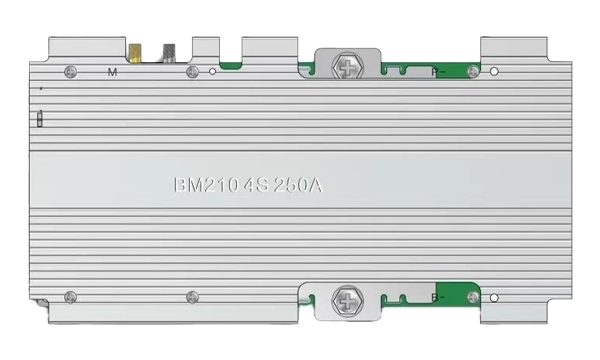
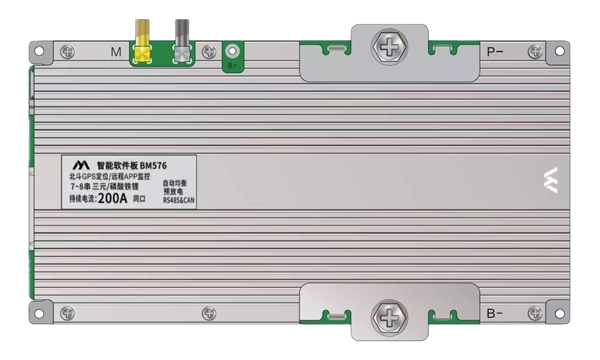
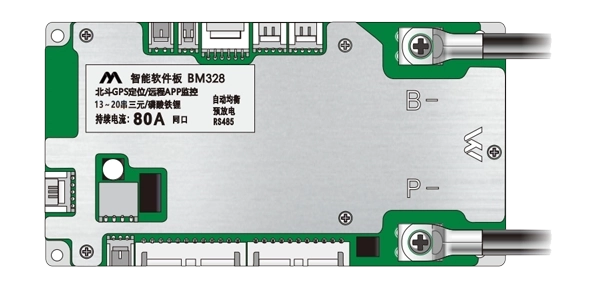
In today’s fast-paced industrial world, forklifts are the backbone of warehouse operations, logistics centers, and manufacturing plants. A critical component often overlooked in the efficiency and safety of these machines is the forklift battery management system (BMS). Understanding, selecting, and maintaining an effective BMS can dramatically improve operational efficiency, extend battery life, and reduce costs.
This article dives deep into the world of forklift battery management systems, exploring their functions, benefits, and best practices to help warehouse managers, logistics professionals, and industrial engineers make informed decisions.
What is a Forklift Battery Management System?
A forklift battery management system is an electronic system designed to monitor and manage the performance of batteries used in electric forklifts. Modern forklifts rely on lead-acid or lithium-ion batteries for power. Without proper management, these batteries can degrade quickly, suffer from reduced capacity, or even pose safety risks such as overheating or acid leaks.
The core functions of a forklift BMS include:
Monitoring battery status: Tracking charge levels, voltage, current, and temperature in real-time.
Balancing cells: Ensuring each battery cell is charged evenly to prevent overcharging or deep discharging.
Safety protection: Automatically disconnecting the battery in case of overvoltage, undervoltage, or excessive temperature.
Data reporting: Providing detailed battery usage statistics for maintenance planning and operational optimization.
A robust BMS not only protects your forklift battery investment but also ensures uninterrupted warehouse operations.
Why Forklift Battery Management Systems Are Essential
1. Prolong Battery Life
Battery replacement is one of the most significant costs in warehouse operations. A forklift battery management system prolongs battery life by:
Preventing overcharging and deep discharging.
Reducing thermal stress on battery cells.
Balancing cell voltages to maintain consistent performance.
Studies show that forklifts equipped with an effective BMS can experience up to 30% longer battery lifespan, significantly reducing operational expenses.
2. Improve Operational Efficiency
A battery running out of power mid-shift can halt warehouse operations, leading to delays and lost productivity. A BMS ensures that batteries are always optimally charged and ready for use, enabling:
3. Enhance Safety
Forklift batteries contain large amounts of energy, and improper handling can result in fires, chemical spills, or explosions. The BMS monitors critical parameters to ensure:
Safe charging and discharging cycles.
Prevention of overheating.
Automatic shutdown during dangerous conditions.
By integrating a BMS, warehouses significantly reduce the risk of battery-related accidents.
Components of a Forklift Battery Management System
Understanding the components of a BMS helps in selecting the right system for your forklift fleet. Key components include:
Battery Sensors
Sensors measure voltage, current, and temperature at the cell and pack level. These measurements are essential for monitoring battery health.
Control Module
The control module processes sensor data and executes safety protocols, such as disconnecting the battery in abnormal conditions.
Communication Interface
Many modern BMS units support interfaces such as CAN bus, Bluetooth, or Wi-Fi, allowing real-time monitoring via software applications or cloud platforms.
Balancing Circuits
Cell balancing circuits prevent individual cells from overcharging or undercharging, ensuring uniform performance across the battery pack.
Data Logging and Analytics
Advanced BMS systems track battery usage patterns, estimate remaining lifespan, and provide actionable insights for preventive maintenance.
Forklift Battery Management System for Lithium-Ion vs Lead-Acid Batteries
Different forklift batteries require tailored management strategies:
Lead-Acid Batteries
Require careful monitoring of voltage and electrolyte levels.
Susceptible to sulfation if undercharged for long periods.
BMS helps prevent overcharging, which can reduce lifespan and produce dangerous gasses.
Lithium-Ion Batteries
Require precise cell balancing and temperature monitoring.
BMS ensures fast charging safety, maximizing uptime without compromising battery health.
Provides detailed state-of-charge (SOC) and state-of-health (SOH) data for predictive maintenance.
Choosing the right BMS for your battery type ensures optimal performance and long-term savings.
Key Features to Look for in a Forklift Battery Management System
When selecting a BMS for forklifts, consider the following features:
Real-Time Monitoring – Look for systems that provide live updates on voltage, temperature, and charge status.
Automatic Cell Balancing – Ensures all cells maintain consistent performance and prevents degradation.
Advanced Safety Protocols – Overvoltage, undervoltage, overcurrent, and thermal protection are essential.
Remote Monitoring Capability – Some BMS solutions allow fleet managers to monitor battery status from a central dashboard.
User-Friendly Interface – Simplified dashboards and alarms for operators reduce human error.
A high-quality BMS is an investment in efficiency, safety, and cost savings.
Common Challenges Without a BMS
Operating forklifts without a BMS can lead to:
Premature battery failure – Frequent replacements and higher costs.
Unplanned downtime – Battery failures disrupt operations.
Safety hazards – Increased risk of fires, explosions, or chemical leaks.
Inefficient energy usage – Poor battery management reduces productivity.
In today’s competitive logistics environment, these challenges can directly impact profitability.
Best Practices for Forklift Battery Management
Implementing a BMS is only part of the solution. Follow these best practices:
Regular Maintenance Checks – Even with a BMS, routine inspections of battery terminals, connectors, and electrolyte levels are crucial.
Proper Charging Protocols – Charge batteries in a temperature-controlled environment and follow manufacturer recommendations.
Training Operators – Educate staff on safe handling and optimal usage of forklifts and battery systems.
Data-Driven Decisions – Use BMS data to schedule preventive maintenance and avoid unexpected failures.
Integrate Fleet Management – Combine BMS insights with fleet management systems for maximum operational efficiency.
These practices maximize the value of your forklift battery management system.
Future Trends in Forklift Battery Management
The forklift industry is evolving rapidly, and battery technology is at the forefront. Key trends include:
IoT-Enabled BMS – Internet-connected systems allow real-time tracking, predictive maintenance, and cloud-based analytics.
AI-Powered Analytics – Machine learning algorithms optimize charging cycles and predict battery failures.
Wireless BMS – Reduces wiring complexity and improves system reliability.
Sustainable Practices – Lithium-ion BMS solutions reduce energy waste and support greener warehouse operations.
Staying ahead of these trends ensures that your operations remain competitive and cost-efficient.
Conclusion
A forklift battery management system is essential for modern warehouse operations, enhancing safety, prolonging battery life, and boosting productivity. By monitoring battery status, balancing cells, and providing actionable data, a BMS reduces downtime, lowers replacement costs, and ensures reliable performance for both lead-acid and lithium-ion batteries, making it a smart investment for efficient and cost-effective material handling.