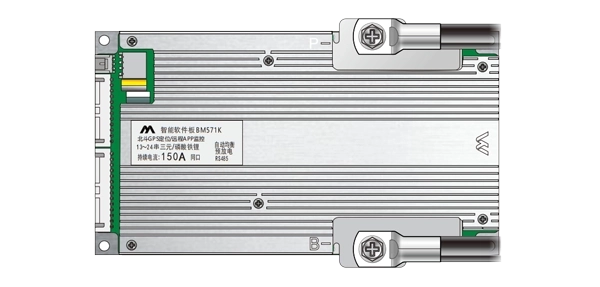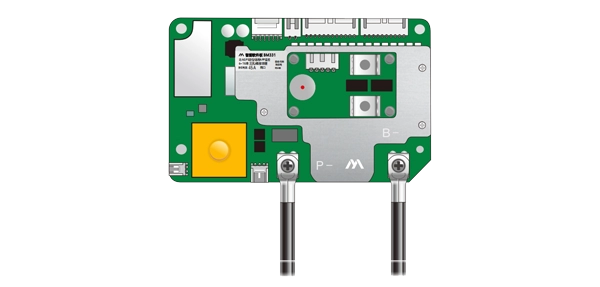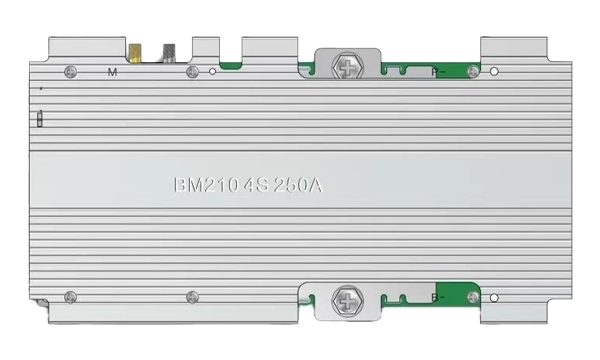

In the rapidly evolving world of energy storage, the modular BMS (Battery Management System) is emerging as a key technology. As batteries are critical components in many industries, from electric vehicles (EVs) to renewable energy storage, an efficient and scalable battery management system is essential to ensure their longevity, safety, and optimal performance.
The modular BMS provides a flexible solution to managing battery packs by segmenting them into smaller, manageable units. This modular approach enhances scalability, simplifies maintenance, and allows for more precise monitoring of battery cells. This article explores the working principles of a modular BMS, its components, how it operates, and the benefits it offers for various industries.
What is the Role of a Battery Management System?
Before diving into the specifics of a modular BMS, it’s important to understand the role of a BMS in general. A Battery Management System is responsible for overseeing and managing the charging and discharging of battery packs. It ensures that each cell within the battery operates within its optimal voltage, temperature, and current range, preventing overcharging, overdischarging, and overheating, which could lead to battery failure or safety hazards.
A traditional BMS typically monitors an entire battery pack as one unit. However, a modular BMS divides the battery pack into smaller segments or modules, each responsible for managing a portion of the battery. This modular approach provides greater control, redundancy, and scalability for larger battery systems.
Components of a Modular BMS
The modular BMS is designed with various components that work together to ensure the battery pack is efficiently monitored and managed. Here are the core components that make up a modular BMS:
Cell Monitoring Modules: These are the individual units within the modular BMS that monitor the voltage, temperature, and current of each battery cell or group of cells. These modules transmit data to a central controller, enabling real-time monitoring and management of the battery pack.
Balancing Circuits: Balancing is critical to maintaining the health and efficiency of a battery pack. In a modular BMS, balancing circuits help ensure that all cells are charged and discharged evenly, preventing capacity loss in individual cells that could affect the performance of the entire pack.
Central Controller: The central controller receives data from the cell monitoring modules and makes decisions based on that information. It controls the overall operation of the system, including charging, discharging, and managing the balancing process. It also communicates with external devices for reporting and diagnostics.
Communication Interface: A communication interface allows the modular BMS to exchange data with other devices, such as the charger, inverter, or external monitoring systems. The communication interface ensures that the system operates in sync with other components of the energy storage or power system.
Safety and Protection Circuits: These circuits are designed to protect the battery pack from faults such as overvoltage, undervoltage, overheating, and short circuits. They automatically disconnect the battery from the load or charging source if a dangerous condition is detected.
How Does a Modular BMS Work?
A modular BMS works by dividing the battery pack into multiple segments, each responsible for managing a small portion of the entire battery system. Each module is capable of monitoring and controlling its section of the battery independently, and these modules work together to maintain the overall system’s performance.
Cell Monitoring and Data Collection: Each module continuously monitors the battery cells for voltage, current, and temperature. The data is collected in real-time and sent to the central controller for analysis.
Cell Balancing: The central controller uses the information provided by the monitoring modules to perform balancing tasks. If one cell is slightly more charged than the others, the system can discharge that cell or provide additional charging to the others to ensure all cells maintain similar levels of charge.
Protection and Safety Management: The modular BMS also constantly checks the safety parameters, ensuring that no cell exceeds its voltage or temperature limits. If any anomalies are detected, the system can take corrective actions, such as disconnecting the battery from the system to prevent potential damage or safety hazards.
Communication and Integration: The BMS can communicate with other systems, such as charging stations, inverters, and monitoring devices. This allows for efficient integration within larger energy systems, providing feedback and updates about the battery’s status.
Benefits of a Modular BMS
The modular BMS offers several distinct advantages over traditional, non-modular systems. Here are some key benefits:
1. Scalability
One of the most significant advantages of a modular BMS is its scalability. As battery systems become larger, having a modular design allows for more flexible and easier expansion. You can simply add more modules to the system without overhauling the entire BMS, making it easier to scale the system as your energy storage needs grow.
2. Improved Redundancy
In a modular BMS, if one module fails, the entire system does not necessarily go down. Other modules can continue functioning, maintaining the system’s overall performance. This redundancy is essential for applications where uptime and reliability are critical, such as in electric vehicles or renewable energy storage systems.
3. Enhanced Monitoring and Control
Because each module monitors a specific part of the battery, a modular BMS offers finer control and more precise monitoring compared to traditional BMS systems. It allows for a more granular view of the battery’s health, which is crucial for early detection of potential issues and preventative maintenance.
4. Easier Maintenance and Upgrades
With a modular system, you can replace or upgrade individual modules without affecting the entire system. This reduces downtime and maintenance costs while allowing for continuous improvement as technology advances. Modules can be swapped out with newer versions as needed, ensuring the system remains up to date.
5. Cost-Effectiveness
While the initial cost of a modular BMS may be higher due to the use of multiple modules, the long-term cost savings are significant. The ability to replace or upgrade parts individually, as well as the scalability of the system, helps reduce operational costs and improve the return on investment over time.
Applications of Modular BMS
The modular BMS is widely used across various industries. Here are a few examples of where it is applied:
1. Electric Vehicles (EVs)
Electric vehicles require a robust and reliable BMS to manage the large battery packs that power them. A modular BMS is ideal for EVs because it offers precise control over the battery's health, ensuring the vehicle performs optimally throughout its lifespan. Additionally, the system's scalability and redundancy make it suitable for a wide range of EV models.
2. Renewable Energy Storage
In renewable energy systems, such as solar or wind energy storage, a modular BMS helps manage the large and often complex battery arrays that store excess energy. The modular nature of the BMS allows for easy integration into large-scale energy storage systems and provides the flexibility needed to expand as energy demand increases.
3. Uninterruptible Power Supplies (UPS)
UPS systems, which provide backup power during outages, also rely on battery management systems to ensure battery packs remain fully charged and ready for use. A modular BMS is crucial for these systems because it ensures the batteries perform reliably over time and can be easily maintained or upgraded as needed.
4. Telecommunications
Telecommunications infrastructure, including cell towers, relies on batteries to ensure continuous power supply during power outages. The modular BMS ensures that the batteries are well-managed and maintained for optimal performance, ensuring uninterrupted communication services.
Conclusion: Choosing the Right Modular BMS for Your Needs
A modular BMS is an essential component in modern battery systems, offering scalability, enhanced monitoring, redundancy, and cost-effectiveness. Whether you are in the electric vehicle industry, renewable energy, or telecommunications, selecting the right modular BMS is crucial to maintaining the efficiency and longevity of your battery packs. By carefully considering your application’s requirements, you can find a modular BMS that best fits your needs, ensuring a reliable, high-performance energy storage system.