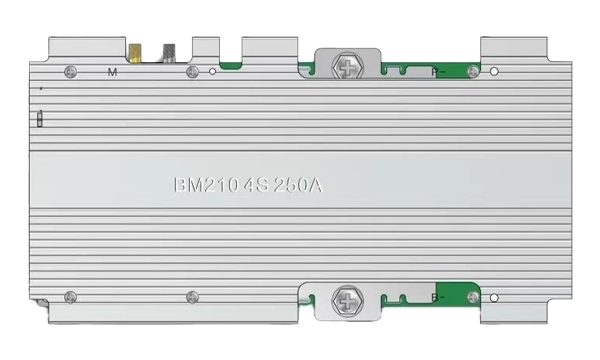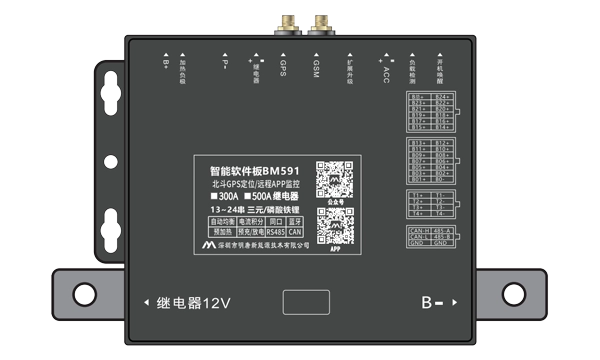

In recent years, energy storage systems have become an integral part of various industries, including electric vehicles, renewable energy, and industrial applications. A modular BMS (Battery Management System) is revolutionizing the way we manage and maintain these systems. Unlike traditional BMS setups, which monitor a battery pack as a whole, the modular design allows for the management of individual cells or small groups of cells, improving performance, scalability, and reliability.
A modular BMS is a cutting-edge solution designed to enhance the monitoring and protection of battery cells, optimize charging and discharging processes, and extend the overall lifespan of batteries. It is a particularly beneficial solution in industries that rely on large and complex battery systems, where maintaining consistent performance and safety is crucial.
In this article, we will explore the features of a modular BMS, how it works, and the distinct advantages it offers over traditional systems. We will also discuss the critical applications of modular BMS across various sectors.
What is a Modular BMS?
A modular BMS is a battery management system that is designed to monitor and manage battery cells in modular units or sections. Instead of a centralized system that oversees the entire battery pack, the modular system divides the pack into smaller, independent modules that can each manage a portion of the battery's cells.
Each module of a modular BMS is equipped with the necessary monitoring and control functions, including voltage, current, temperature sensing, and balancing. These modules communicate with a central controller that consolidates the information and ensures the system operates within safe and efficient parameters.
The main concept behind a modular BMS is to enhance flexibility, scalability, and reliability. As battery packs become larger and more complex, this modular approach makes it easier to manage the system, allowing for better control over individual cell groups.
Key Components of a Modular BMS
A modular BMS consists of several essential components that work together to ensure optimal battery performance. The main components include:
Cell Monitoring Modules: These modules are responsible for monitoring the voltage, current, and temperature of individual cells or small groups of cells. They provide real-time data to the central controller, which uses this information to manage the battery pack's performance.
Central Controller: The central controller acts as the brain of the system. It collects data from each module, analyzes the information, and makes decisions to manage the battery's operation. The controller also ensures that the charging and discharging processes are optimized.
Balancing Circuits: Balancing is critical in ensuring the longevity and efficiency of a battery pack. A modular BMS uses balancing circuits to ensure that each cell or module is charged and discharged uniformly. This prevents certain cells from becoming overcharged or undercharged, which can lead to capacity loss or safety issues.
Communication Interface: The communication interface connects the modular BMS to external systems, such as chargers, inverters, or monitoring devices. This interface allows the BMS to share data and receive commands from other components of the energy storage system.
Safety and Protection Mechanisms: Protection circuits are built into the modular BMS to prevent issues like overvoltage, undervoltage, short circuits, and overheating. These safety mechanisms ensure that the battery pack remains safe under all operating conditions.
How Does a Modular BMS Work?
A modular BMS operates by dividing a large battery pack into smaller modules. Each module is equipped with its own monitoring and control capabilities, allowing it to independently manage the portion of the battery it oversees. The modules communicate with the central controller, which consolidates the data and ensures that the entire battery pack operates efficiently.
Here’s a step-by-step breakdown of how a modular BMS works:
Monitoring Battery Parameters: Each module constantly monitors the key parameters of its assigned cells, including voltage, current, and temperature. This data is transmitted to the central controller for analysis.
Battery Balancing: If the data shows that certain cells are not performing optimally or are out of balance with the rest of the pack, the modular BMS automatically adjusts the charging or discharging of specific cells to bring the system into balance.
Protection and Safety: In case of any anomalies, such as an overvoltage, undervoltage, or temperature spike, the modular BMS triggers the safety systems to disconnect the affected module or the entire system, preventing any potential damage or safety risks.
Data Communication: The modular BMS also communicates with external systems, such as charging stations or remote monitoring tools. This allows operators to keep track of the battery's health and performance, enabling proactive maintenance and system optimization.
Centralized Control: Although the system is modular, the central controller acts as the focal point for overall system management. It ensures that all modules work together in harmony, optimizing the performance and safety of the battery pack as a whole.
Benefits of a Modular BMS
The modular BMS offers numerous benefits over traditional BMS solutions. Some of the key advantages include:
1. Scalability
One of the primary benefits of a modular BMS is scalability. As energy storage systems grow in size, the modular design allows for the easy addition of extra modules to manage the expanded capacity. This flexibility makes it easier to scale the battery system as energy demands increase, without the need for a complete system overhaul.
2. Enhanced Performance Monitoring
A modular BMS offers more detailed and precise performance monitoring compared to traditional systems. By monitoring each individual module, operators can identify issues with specific cells or sections of the battery pack, allowing for early detection and corrective action. This granular level of monitoring ensures that the battery pack operates at optimal efficiency.
3. Improved Reliability
A modular BMS provides greater reliability than non-modular systems. If one module fails or requires maintenance, the remaining modules can continue operating normally. This redundancy ensures that the battery system remains functional, even in the event of a failure in a single module.
4. Easier Maintenance and Upgrades
With a modular BMS, maintenance and upgrades are simplified. Instead of replacing or upgrading the entire battery management system, individual modules can be swapped out or upgraded as needed. This reduces downtime and costs associated with system maintenance.
5. Customization and Flexibility
The modular nature of the BMS allows for customization to meet specific application needs. Different modules can be designed to handle various battery chemistries, voltage ranges, or capacities, offering flexibility for a wide range of applications.
Applications of Modular BMS
The modular BMS is widely used in industries that require efficient and reliable energy storage solutions. Some key applications include:
1. Electric Vehicles (EVs)
Electric vehicles rely heavily on battery management systems to ensure their batteries operate safely and efficiently. A modular BMS is ideal for EVs because it allows for the management of large, complex battery packs with greater precision and scalability. It also ensures that the battery remains safe and balanced, maximizing the EV's range and longevity.
2. Energy Storage Systems (ESS)
In renewable energy applications, such as solar or wind energy storage, a modular BMS is crucial for managing the large-scale battery banks that store excess energy. The modular system allows for easy expansion and integration with existing infrastructure, ensuring that the battery system can grow to meet increasing energy demands.
3. Uninterruptible Power Supplies (UPS)
UPS systems rely on batteries to provide backup power during electrical outages. A modular BMS helps monitor and manage the batteries, ensuring they remain charged and ready to supply power when needed. This is particularly important in critical applications such as data centers, hospitals, and telecommunications.
4. Telecommunications
Telecommunication infrastructure often requires reliable and continuous power, especially during power outages. A modular BMS ensures that the battery packs used in these systems remain functional and efficient, providing uninterrupted service even during extended power disruptions.
Conclusion: Why Choose a Modular BMS?
A modular BMS offers significant benefits, including scalability, enhanced monitoring, and greater system reliability. It is an essential component in modern battery systems, particularly in industries such as electric vehicles, renewable energy storage, and telecommunications, where large, complex batteries are common.
By choosing a modular BMS, businesses can ensure that their energy storage systems operate efficiently and safely, minimizing downtime and maximizing the lifespan of their batteries. Whether you're looking to optimize the performance of an EV battery pack or enhance the reliability of a renewable energy storage system, the modular BMS provides a flexible, scalable solution that can meet your needs.